


Cotton Sateen: Everything You Need to Know About This Prestigious Weave
In the Textile World, Cotton Sateen Holds a Special Place. Valued for its subtle sheen and silky-soft texture, cotton sateen is more than just an aesthetic choice — it offers a true experience of comfort and luxury.
In this article, as specialists in high-end bed linen, we’ll provide you with a clear definition of cotton sateen, explain how it’s made, and share expert tips on how to choose and care for your cotton sateen bedding.
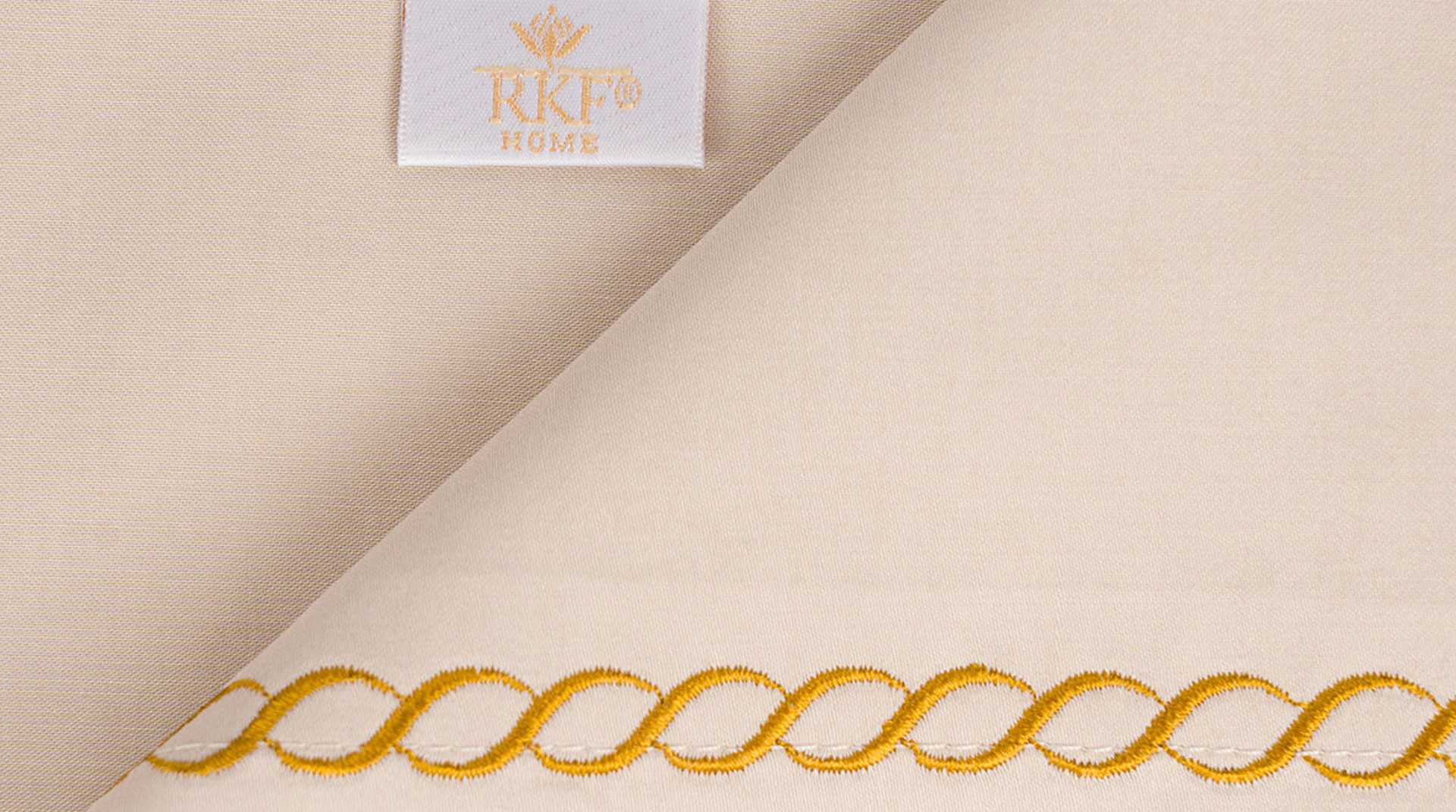
What is Cotton Sateen?
Cotton sateen is not a material in itself, but rather a specific weaving technique. The fabric is created by weaving one weft thread under three or more warp threads, resulting in a smooth, lustrous surface. This dense weave gives cotton sateen its signature silky sheen and luxurious finish.
Traditionally, the quality of sateen is measured by thread count: the higher the thread count, the denser, more durable, and higher-quality the fabric. While there is no fixed minimum to qualify as “sateen,” it is generally considered premium starting at 120 threads/cm² (300TC). At RKF Home, our cotton sateen reaches up to 240 threads/cm² (600TC), offering exceptional softness and resilience.
.What Are the Benefits of Cotton Sateen?
Thanks to its tight weave and thread density, cotton sateen is a top choice for luxury bedding. It’s widely used in high-end hotels because its durability allows the fabric to maintain its softness and appearance over time, even after many washes.
One of the most appreciated features of cotton sateen is its incredible softness and silky feel, creating a sleep experience that feels like staying in a 5-star hotel every night. Its tight weave is also gentler on the skin and hair, helping reduce sleep lines and frizz during the night.
Cotton sateen is also excellent at retaining body heat, making it an ideal option for colder months. Unlike cotton percale, which stays cool and crisp, sateen provides an instant feeling of warmth, making it perfect for those who tend to feel cold at night.
.
How Is It Different from Cotton Percale?
You may already know that cotton percale is also a weaving method, not a fabric. So how do cotton percale and cotton sateen differ?
The key difference lies in the weave structure:
-
In percale, threads alternate over and under one another (plain weave), creating a matte finish and a light, breathable texture.
-
In sateen, each vertical thread goes under three horizontal ones, resulting in a denser, smoother, and more lustrous surface.
How to Tell Them Apart:
-
Look: Sateen has a slight sheen, while percale appears matte.
-
Touch: Sateen feels silkier and softer; percale feels crisper and cooler.
-
Functionality: Sateen retains warmth better, while percale allows more airflow — ideal for hot sleepers.
Depending on your comfort needs, skin sensitivity, and seasonal preferences, you can choose between sateen and percale to create your perfect sleep environment.
.
The RKF Home Cotton Sateen Collection
RKF Home offers a premium line of cotton sateen bedding, crafted from American Supima® cotton — known for its extra-long fibers that deliver superior softness and long-term durability.
Our sateen bedding is produced in a high-end workshop in the Porto region of Portugal, recognized for its excellence in luxury home textiles and its adherence to strict social and environmental standards.
All our sateen products are also OEKO-TEX® certified, ensuring that no harmful substances are used in the production process.
The RKF Home sateen collection includes:
-
Flat and fitted sheets
-
And more — all designed to help you build the bedding set of your dreams.
.
How to Care for Your Cotton Sateen Bedding
Cotton sateen is easy to maintain, which makes it a practical and luxurious choice. Here are a few tips to keep your bedding in perfect condition:
-
Machine wash at low temperatures (30–40°C / 85–105°F) with a mild detergent.
-
Avoid fabric softeners, which can coat the fibers and reduce softness.
-
Add a splash of white vinegar to the rinse cycle to preserve shine and remove detergent residues.
-
Air dry when possible, or tumble dry at low temperature to prevent wrinkles.
-
Iron inside out on medium heat if needed. Thanks to its weave, cotton sateen resists wrinkling better than many other fabrics.
-
 Bath Sheet Buying Guide: Material, GSM, and Sizing Explained
Published on
30/07/2024
Bath Sheet Buying Guide: Material, GSM, and Sizing Explained
Published on
30/07/2024
-
Cotton Percale Explained: A Guide to This Luxury Bedding Fabric
Published on
23/09/2024
-
How to Choose the Best Fabric for Your Bedding : Our Expert Guide
Published on
22/09/2024